


Surface treatment is a crucial step in manufacturing Printed circuit boards. A well-treated surface can:
- Reduce the open-circuit defect rate after etching: Especially for high-quality PCBs, where copper pathways widths and spacing are less than 60 µm.
- Reduce the rate of Solder mask peeling after ENIG, Immersion Tin, HASL plating, etc.
- Improve adhesion in inner layers laminating.
- Form a good surface before plating processes.
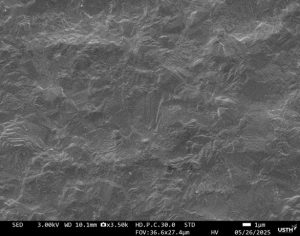
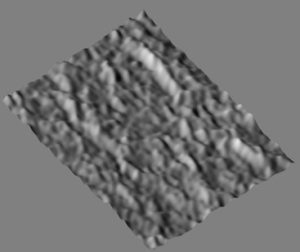
The purpose of surface treatment is to create surface textures suitable for each PCB manufacturing process (roughened structure).
The common roughened structure in PCB manufacturing:
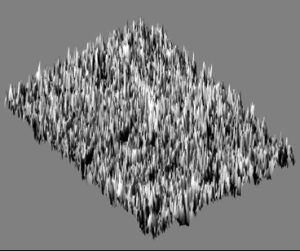
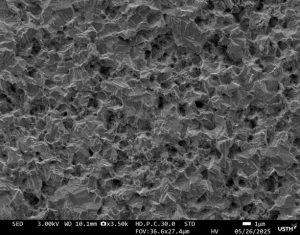
1 . Mountain-shaped roughened structure
This is a common structure, creating a undulating surface like a series of mountain peaks. This structure is suitable for pre-treatment of D/F application, helping to improve the adhesion of DFR to the copper surface, thereby reducing D/F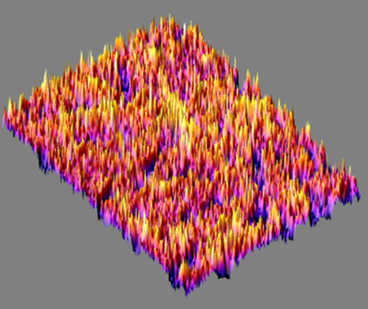
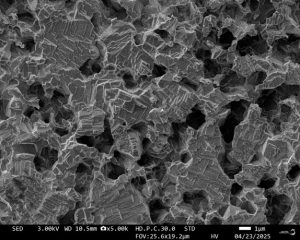
2. Cavity-shaped, frog mouth-shaped roughened structure
This roughened structure surface is suitable for the coating process. The Solder mask get into the cavities, ensuring strong adhesion to the product surface and preventing the occupy of other chemicals in subsequent processes. This reduces solder mask blistering and peeling.
This roughened surface requires a high roughness and surface is typically dark red after processing.
3. Micro-level roughened structure
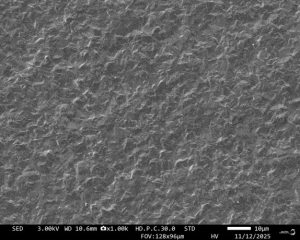
This type of structure has low roughness but high roughness density. It is suitable for surface treatment before D/F application for inner layer products or flexible circuit products. It is also very suitable for surface treatment before surface finishing processes such as ENIG, Immersion Tin, Immersion Silver, OSP, etc., due to the large surface area it creates, increasing the adhesion of the coating.
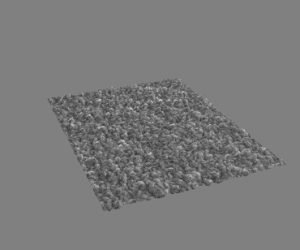
4. Layered structure
Layered roughness is a structure that creates a regular roughness pattern to improve bonding of surfaces together. This structure is commonly found in the pretreatment of laminating processing stage.
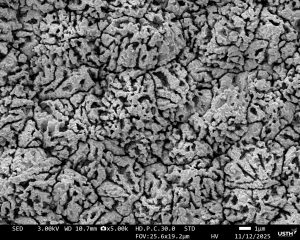
5. Non-roughened structure
This type of structure does not create roughness but instead produces a flat surface, giving the product a bright and uniform appearance. This structure is suitable for pre-treatment steps before electroplating.