
Immersion Silver

News – Consulting

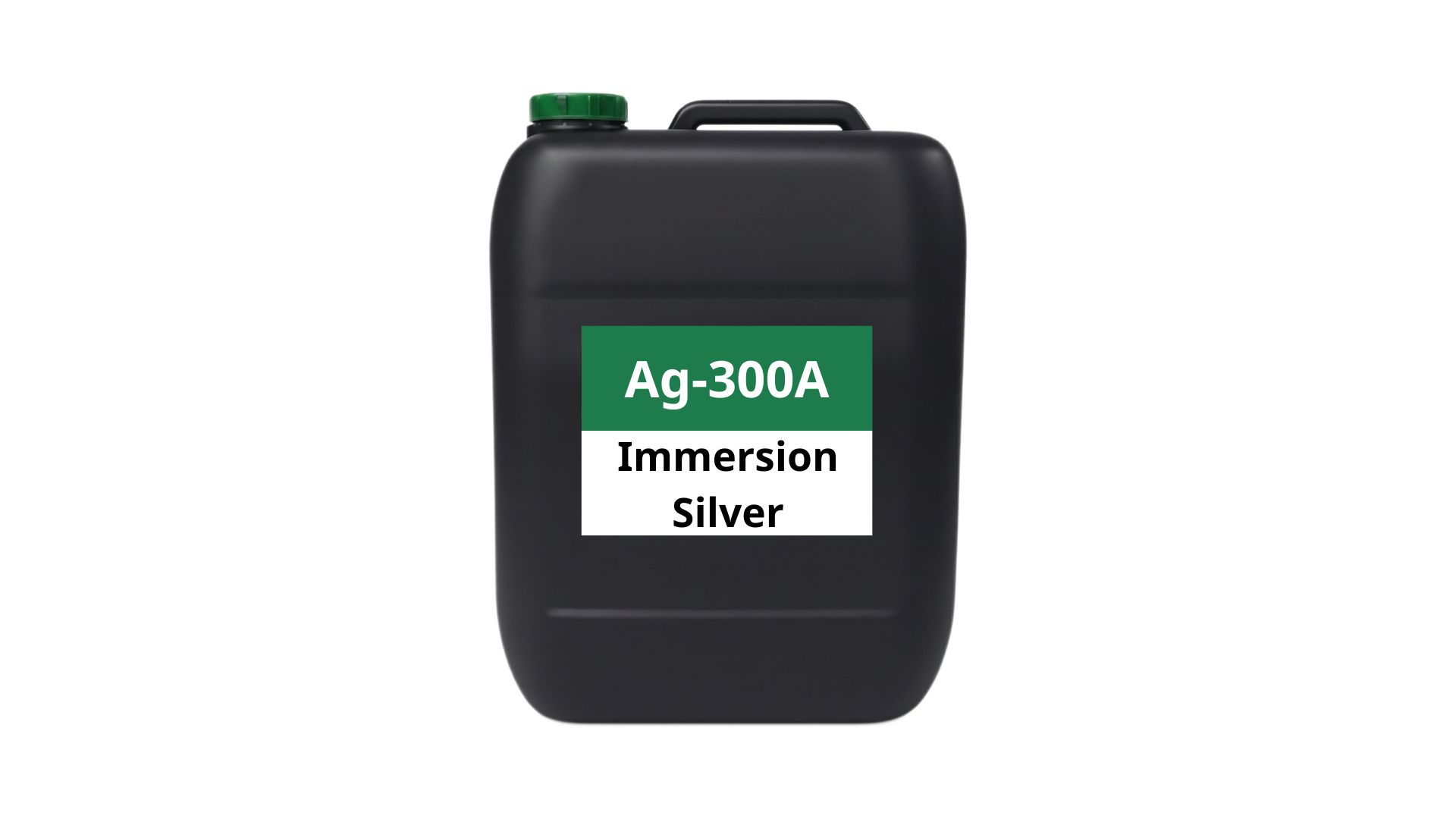
Pure Silver is an ideal material for surface finishing because it possesses properties such as softness, good ductility, thermal conductivity, electrical conductivity; and is barely reactive with water or oxygen.

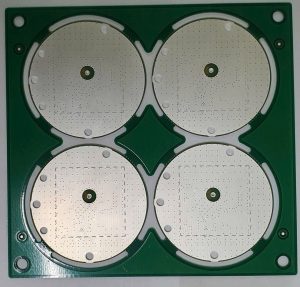
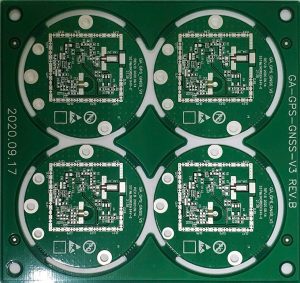
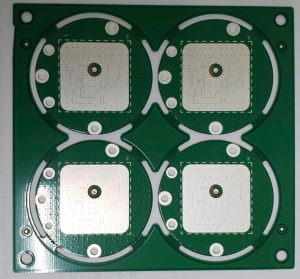
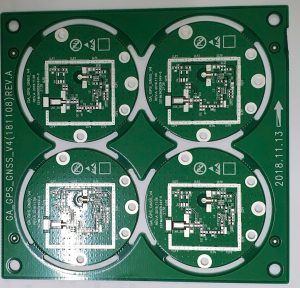
These properties make silver immersion another popular surface finish in PCB manufacturing. Chemically, it creates a thin silver layer with thickness in range of 0.1~0.5µm on the copper surface to protect the copper from oxidation and improve solderability.

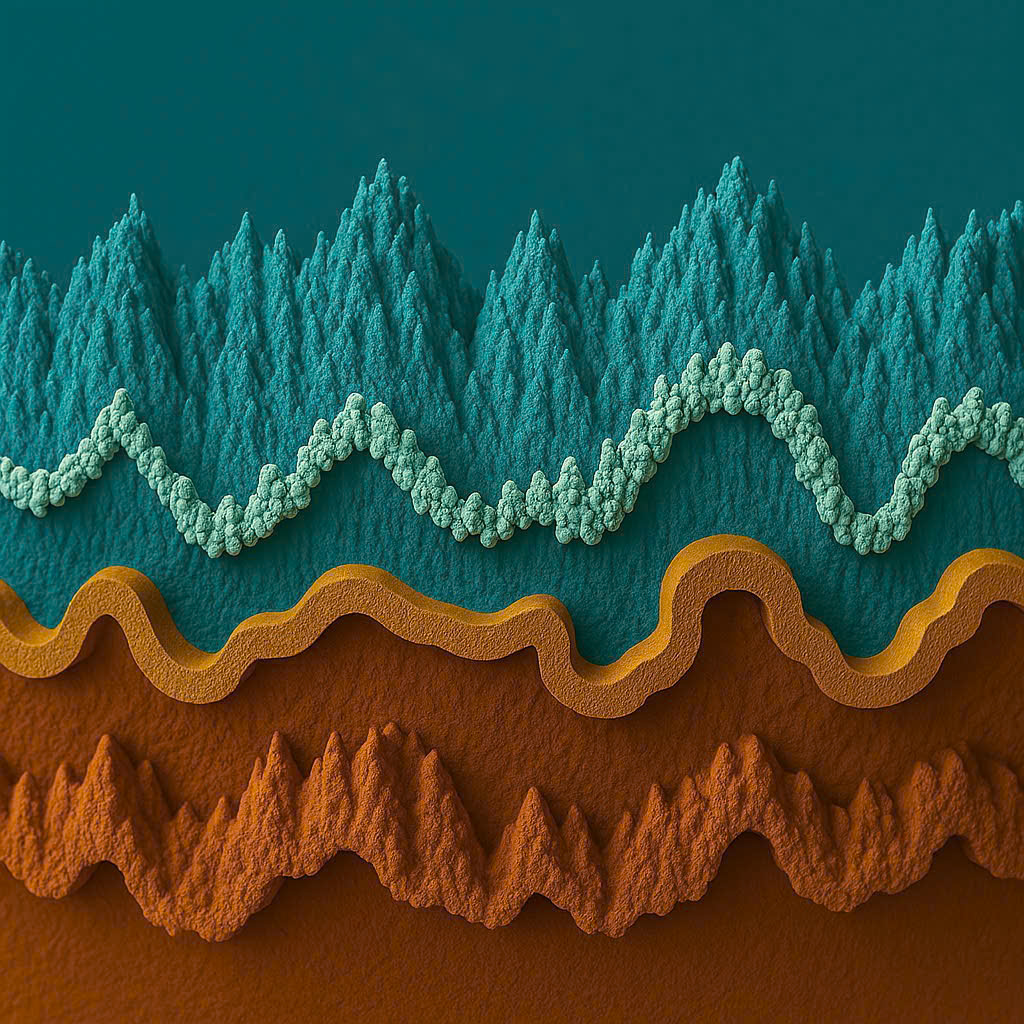
The silver immersion process is based on the Galvanic effect, driven by the difference in electromotive force and redox potential between copper and silver, silver ions receive electrons from copper metal while copper dissolves and silver precipitates. Specifically, a rearrangement reaction occurs between silver ions and copper atoms in solution.
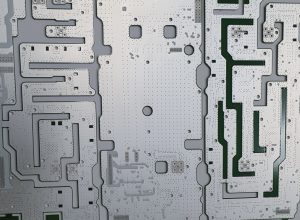
Silver immersion is an environmentally friendly surface finishing and fully compliant with RoHS.

It has excellent surface flatness, suitable for high-density circuits and narrow copper pathways. Due to the surface effect, its signal attenuation in high-frequency PCB is also very low.
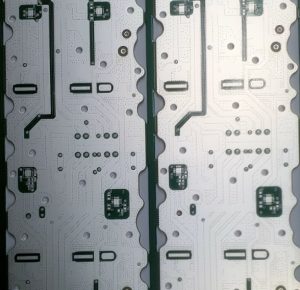
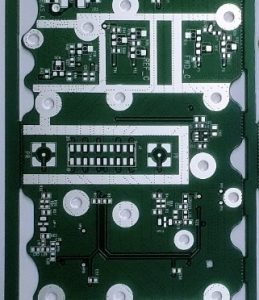
Otherwise, the stability of Silver can be improved. The Silver layer also maintains the solderability even when exposed to hot and humid enviroment.
But it still have some disadvantages. PCB with immersion silver on surface is very sensitive to Chlorine and Sulfur. Therefore, the handling and storation is neccessarily in good conditions. The PCB with immersion silver on surface is very easily scratched if handling and storation are in bad conditions.
The silver coatings will degrade over time if exposed to air for extended periods, so they should be handled within 48 hours. Meanwhile, its physical properties are not equal to ENIG due to the absence of nickel underneath.

Bài viết liên quan

Dec

Immersion Tin

Immersion Tin is the final finishing step in the PCB manufacturing process before components are mounted onto the board. A Tin…
Dec

OSP Plating

OSP in PCB manufacturing stands for Organic Solderability Preservative, a thin, flat protective coating made from organic compounds applied to the…
Dec

SURFACE TREATMENT PROCESS

Surface treatment is a crucial step in manufacturing Printed circuit boards. A well-treated surface can: Reduce the open-circuit defect rate after…